By
By For decades, cruise ship dining was defined by the grand dining room, midnight buffets with ice sculptures, and predictable continental menus. While those traditions hold a certain nostalgic charm, a quiet revolution has taken place on the open ocean. Today, a growing demographic of travelers chooses their itineraries based on what is on the plate rather than just the ports of call.
Culinary cruises have evolved from a niche marketing trend into a sophisticated travel sector. Discerning food lovers can now spend their days learning the secrets of French pastry from master chefs, shopping for fresh ingredients in local Mediterranean markets alongside a ship’s culinary director, and pairing rare vintages under the guidance of certified sommeliers. If you view travel through the lens of local flavors, these epicurean voyages offer an unparalleled way to taste the world.
The Pioneers of Luxury Ocean Dining
When it comes to dedicating real estate and resources to high-end dining, luxury cruise lines lead the industry. These brands have moved away from mass production, focusing instead on small-batch cooking, premium ingredients, and partnerships with Michelin-starred icons.
Oceania Cruises: The Foodie Standard
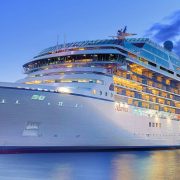
Oceania Cruises has long built its entire brand identity around its culinary program, famously claiming to offer “the finest cuisine at sea.” Under the guidance of legendary chef Jacques Pépin, who served as the line’s executive culinary director for years, Oceania transformed how cruise ships source and prepare food.
The line’s Vista-class ships feature an impressive ratio of dining venues to guests. Passengers can indulge in Ember, which serves elevated American classics, or enjoy complex Pan-Asian flavors at Red Ginger. What truly sets Oceania apart is its commitment to authenticity. The culinary team does not rely on heavy sauces or pre-packaged bases; instead, they make everything from scratch daily, including their signature artisanal breads and delicate stocks.
Silversea: A Deep Dive into Local Culture
Silversea Cruises introduced a revolutionary concept known as S.A.L.T. (Sea and Land Taste). This program is designed to connect the destination on the horizon directly to the plate in front of the guest.
The S.A.L.T. program manifests in several ways onboard:
-
The S.A.L.T. Kitchen: A restaurant where the menu changes completely every single night to reflect the specific port the ship is visiting that day.
-
The S.A.L.T. Lab: A hands-on cooking test kitchen where guests learn to prepare regional dishes under the instruction of local guest chefs.
-
The S.A.L.T. Bar: A venue dedicated to regional spirits and cocktails, utilizing local botanicals, bitters, and traditional brewing methods.
Immersive Culinary Experiences and Onboard Academies
A great food cruise does not just feed you; it teaches you. The modern epicurean traveler wants to bring the skills they observe back to their own kitchen. To meet this demand, several cruise lines have built state-of-the-art culinary centers right on board.
Hands-On Cooking Schools
Regent Seven Seas Cruises and Holland America Line both feature top-tier culinary arts centers. On Regent’s Explorer and Splendor, the Culinary Arts Kitchen is styled after the world’s best cooking schools, equipped with individual workstations, induction cooktops, and top-of-the-line knives for each participant.
In these classes, instructors guide guests through complex techniques, such as tempering chocolate, filleting regional fish, or mastering the art of the perfect soufflé. The curriculum is tailored to the ship’s itinerary, meaning you might learn to make authentic Moroccan tagine while sailing toward Casablanca, or perfect your pasta-rolling technique before docking in Civitavecchia.
Chef-Led Shore Excursions
The culinary journey extends far beyond the ship’s gangway. Culinary-focused shore excursions allow travelers to bypass the tourist traps and gain access to authentic local food cultures.
Imagine spending a morning in a bustling market in Barcelona, where the ship’s executive chef helps you select the best jamón Ibérico and fresh seafood. Later that afternoon, you return to the ship for a private cooking demonstration using those exact ingredients. Other excursions might include truffle hunting in Tuscany, visiting a family-owned olive oil estate in Greece, or touring a boutique winery in the Bordeaux region with exclusive access to the private cellars.
Wine, Spirits, and Master Pairings
A world-class meal requires equally impressive beverages. Culinary cruises have elevated their wine and spirits programs to match their ambitious food menus, moving far beyond basic house wines and standard cocktail lists.
Celebrity Cruises and Sommelier Culture
Celebrity Cruises boasts one of the largest teams of certified sommeliers at sea. Their ships feature iconic, multi-story glass wine towers holding thousands of bottles of rare vintages. The line regularly hosts structured wine tastings, educational seminars on grape varietals, and exclusive Riedel glass comparative tastings, which demonstrate how the shape of a glass changes the flavor profile of a wine.
River Cruising: Sailing Through Wine Country
For wine purists, a river cruise offers an incredibly intimate connection to historic vineyards. Lines like AmaWaterways and Uniworld Celebration River Cruises offer specialized wine cruises along the Danube, Rhine, Douro, and Bordeaux rivers.
Because river ships carry fewer than 200 guests, these itineraries can dock right in the heart of historic wine villages. Guests can walk straight from the ship into centuries-old cellars, meet the winemakers, and participate in harvest celebrations that are completely inaccessible to large ocean liners.
Conceptual and Trend-Forward Onboard Dining
As terrestrial dining trends evolve toward experiential and plant-based concepts, forward-thinking cruise lines are adapting their venues to match these modern expectations.
Virgin Voyages: Tearing Up the Rulebook
Virgin Voyages completely eliminated the traditional cruise buffet and main dining room model. Instead, their ships feature over twenty distinct, intimate eateries, all included in the voyage fare.
Their most innovative venue is the Test Kitchen, a restaurant that is part cooking school and part avant-garde dining laboratory. The menu is presented as a list of ingredients rather than finished dishes (e.g., “Mushroom, Egg, Truffle, Smoked Apple”). Guests are treated to a boundary-pushing, multi-course tasting menu that utilizes modern gastronomy techniques like molecular foaming, smoke infusions, and unusual temperature pairings.
The Logistics of Planning a Food-Centric Cruise
To get the most out of a culinary voyage, strategy is required. Because these experiences are highly sought after, planning well in advance is essential for securing the best reservations and excursions.
-
Book Specialty Dining Early: Many premium restaurants onboard fill up months before the sail date. Log into the cruise line’s portal the day reservations open to secure your preferred dining times.
-
Research Guest Chef Itineraries: Cruise lines frequently host theme cruises featuring celebrity chefs, cookbook authors, and master sommeliers. Look for specific “Culinary Series” or “Wine Maker” voyages.
-
Budget for Extras: While many luxury lines include specialty dining in the base fare, others charge a cover fee or require premium beverage packages for high-end wine pairings. Clarify what is included before booking to avoid unexpected charges at the end of your trip.
Frequently Asked Questions
Do culinary cruises accommodate strict dietary restrictions or food allergies?
Yes, modern culinary-focused cruise lines are exceptionally accommodating when it comes to dietary needs, including vegan, vegetarian, gluten-free, halal, kosher, and low-sodium diets. Premium and luxury lines often ask for your restrictions prior to sailing and will provide you with the next day’s menu twenty-four hours in advance. This allows the executive chef to customize dishes specifically for you, ensuring that your culinary experience is just as elevated as that of the other guests.
Are the onboard cooking classes included in the standard cruise fare?
It depends entirely on the cruise line. On ultra-luxury lines, some demonstration-style classes are complimentary. However, hands-on cooking classes in dedicated culinary labs (like those on Oceania, Regent, or Silversea) usually require an additional fee. This fee covers the cost of premium ingredients, instruction, and the wine paired with the meal you prepare. It is highly recommended to book these classes in advance, as capacity is usually limited to 12 to 24 guests per session.
What is a “Guest Chef” cruise, and how do I find one?
A guest chef cruise is a specific itinerary where a celebrity chef, Michelin-starred restaurateur, or famous cookbook author boards the ship for the duration of the voyage. These chefs host exclusive cooking demonstrations, curate special tasting menus for the main dining venues, lead selected shore excursions, and participate in book signings or Q&A sessions. Cruise lines typically announce these special headliners six to twelve months in advance on their official websites under “Theme Cruises” or “Culinary Series.”
Can I bring wine or local spirits purchased in port back onto the ship?
Every cruise line has a different policy regarding alcohol brought onboard. Most mainstream and premium lines allow you to bring one or two bottles of wine per stateroom at embarkation, but any alcohol purchased in port is held by security until the final night of the cruise. However, many luxury and culinary-focused lines (such as Silversea or Seabourn) have open-bar policies and allow you to bring local wines or spirits found in port directly to your cabin to enjoy during the voyage without any additional fees.
How do river cruise culinary experiences differ from ocean cruise culinary experiences?
River cruises offer a much more localized and intimate food experience. Because river ships hold far fewer passengers and dock daily in the center of towns, their kitchens source fresh ingredients locally almost every day. Ocean cruises rely more on massive, high-tech storage and sophisticated provisioning systems. While ocean liners can offer a wider variety of distinct specialty restaurants on a single ship, river cruises excel at hyper-local, regional dishes and immediate access to local vineyards and markets.
Are children allowed in the onboard culinary academies and specialty restaurants?
While children are generally permitted in specialty restaurants, the atmosphere in these venues tends to be formal and geared toward adults. Some family-friendly lines offer specific cooking classes designed for parents and children. However, the advanced culinary labs on luxury lines usually have age restrictions (often 12 or 16 and older) due to safety concerns regarding the use of sharp knives, hot induction cooktops, and the inclusion of alcohol pairings in the curriculum.