 By
By Automobiles, with their sleek lines and roaring engines, often evoke admiration and excitement. They symbolize freedom, efficiency, and personal identity. Yet, for all the attention we pay to their exterior elegance or brand prestige, the true marvel lies beneath the surface—in the intricate network of auto parts that make every drive possible. These components, often taken for granted, work tirelessly behind the scenes to ensure safety, comfort, and performance. Understanding auto parts isn’t merely a matter of mechanical curiosity; it’s a window into the very anatomy of modern mobility.
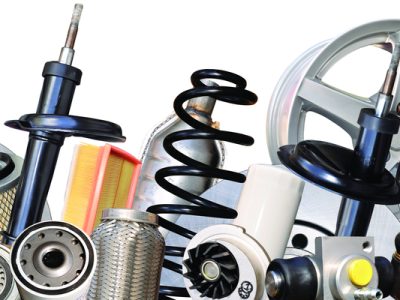
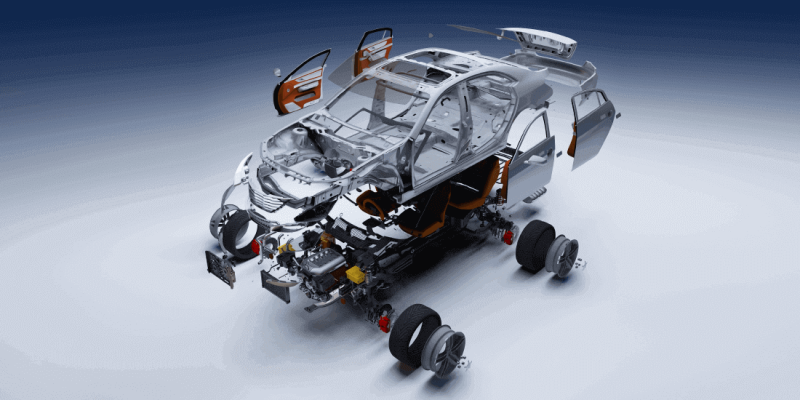
At its core, a car is a complex mechanical organism composed of thousands of parts, each with a specific role. From the most essential—engine blocks, transmissions, and brake systems—to the minute but critical—seals, clips, and sensors—every part has a purpose. And while it’s easy to assume all vehicles are the same underneath the hood, the variety of parts and their specialized functions differ vastly between models, makes, and generations. This complexity is precisely what makes the auto parts industry not just a vital sector of the global economy, but also a space of continuous innovation and evolution.
One of the most fundamental distinctions in this space lies between Original Equipment Manufacturer (OEM) parts and aftermarket alternatives. OEM parts are made by the same companies that build the original components for a vehicle, ensuring exact fit, function, and performance. These parts are often favored by dealerships and manufacturers for warranty service and are prized for their reliability. In contrast, aftermarket parts are made by third-party manufacturers. While some of these parts can exceed OEM quality and performance, especially in the realm of high-performance or specialized applications, others are made with cost-effectiveness in mind and may compromise on longevity or precision. For consumers, the choice between OEM and aftermarket parts often comes down to a balance between cost, reliability, and intended use.
In recent years, the role of auto parts has shifted from purely mechanical components to increasingly digital and software-integrated systems. Modern vehicles are as much computers on wheels as they are machines of metal and rubber. Sensors monitor everything from tire pressure to engine temperature, cameras assist with lane-keeping and parking, and microchips regulate fuel injection and ignition timing. This digital transformation has led to the emergence of a new class of auto parts—electronic control units (ECUs), actuators, and infotainment modules—that require not only mechanical knowledge but also software expertise to diagnose and repair. The skillset required to maintain today’s vehicles has evolved accordingly, blending traditional mechanics with advanced electronics and computer science.
The global supply chain that supports the production and distribution of auto parts is another point of intrigue. It’s a finely tuned network that spans continents, involving raw material suppliers, component manufacturers, logistics firms, and retailers. A single car part—say, a turbocharger—may involve aluminum from Australia, design and engineering from Germany, manufacturing in China, and assembly in Mexico, before reaching a consumer in the United States. This globalization has helped reduce costs and increase efficiency, but it has also introduced vulnerabilities, as demonstrated by the supply chain disruptions during the COVID-19 pandemic. Shortages in semiconductor chips, for instance, brought entire automotive production lines to a halt, highlighting how interconnected and delicate the system truly is.
Another layer to consider is the role of auto parts in vehicle customization and performance enhancement. For automotive enthusiasts, parts are more than maintenance items—they are instruments of personal expression and performance tuning. A new exhaust system might unleash a deeper growl from a sports car. Upgraded suspension components can transform handling. Even something as seemingly simple as changing wheels or headlights can dramatically alter a vehicle’s aesthetic. This culture of modification and personalization fuels a significant segment of the auto parts industry and supports a vibrant global community of gearheads, racers, and hobbyists who see cars not just as tools, but as canvases.
Beyond performance and aesthetics, sustainability is becoming a growing concern in the realm of auto parts. The traditional model of replacing worn components with new ones is being challenged by the principles of the circular economy. Rebuilt and remanufactured parts offer an environmentally responsible alternative, extending the life of components and reducing waste. Recyclable materials are increasingly favored in part design, and manufacturers are exploring ways to reduce the carbon footprint of both production and end-of-life disposal. Electric vehicles (EVs) add another layer of complexity and promise. With fewer moving parts than internal combustion vehicles, EVs shift the focus toward battery technology, electric drivetrains, and advanced software systems. As this transition accelerates, the parts landscape will continue to evolve, demanding new expertise, new suppliers, and new standards.
What’s more, the rise of e-commerce has democratized access to auto parts. No longer limited to dealership parts departments or specialty stores, consumers can now browse a global inventory of parts with just a few clicks. Online platforms provide detailed fitment data, customer reviews, and installation guides, enabling even novice DIYers to undertake maintenance and upgrades with confidence. This shift has empowered consumers, but also raised the stakes for accuracy and quality in product listings. An incorrect part can not only fail to fit but may compromise vehicle safety or performance.
In the end, auto parts are far more than interchangeable pieces of machinery. They are the fundamental building blocks of every vehicle on the road. Their quality dictates the lifespan of a car, their reliability ensures safety, and their availability determines the convenience of ownership. As vehicles become smarter, greener, and more connected, the world of auto parts will only become more dynamic and vital. Whether you’re a seasoned mechanic, a weekend hobbyist, or simply someone who depends on a car for daily life, understanding the quiet brilliance of auto parts offers a deeper appreciation for the machines that move us.